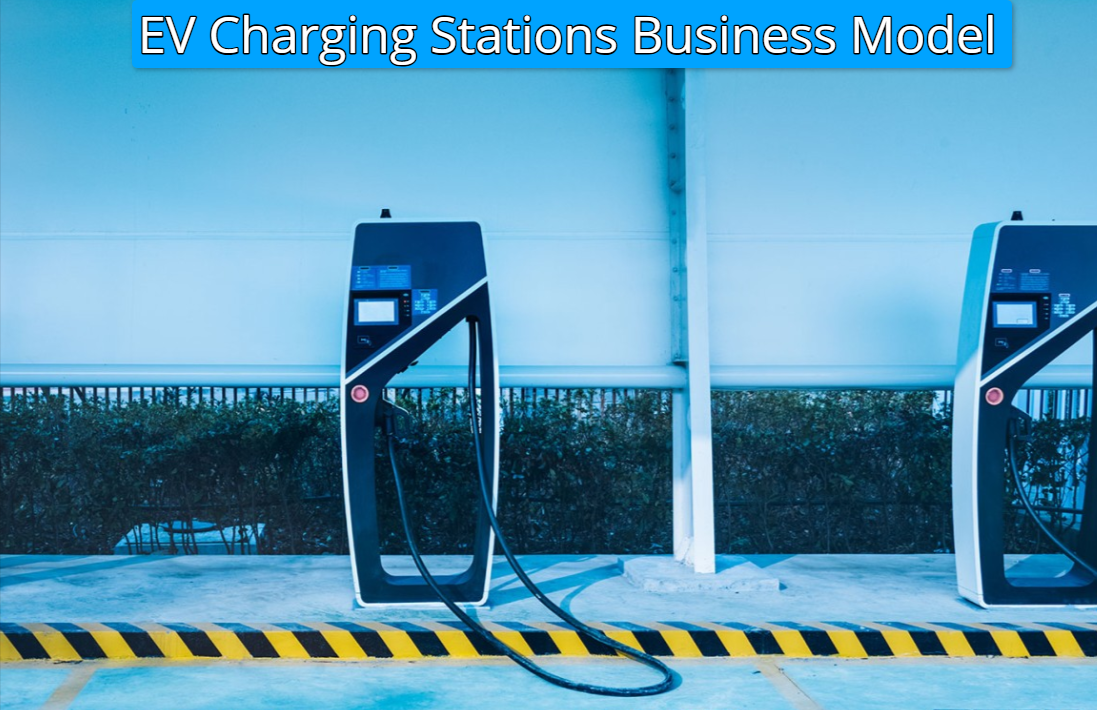
The electric vehicle or revolution in electric vehicles is upon us as automakers continue to produce electric vehicles due to consumer demand for more sustainable options in transportation. The rapid growth of electric vehicles has prompted the need for infrastructure services to support them as well, with the main need of charging station. Therefore, the EV charging industry is now one of the fastest-growing sectors around the globe. The charging stations for EVs supply electricity to plug-in electric vehicle models. They’re like conventional petrol stations or gas stations but they supply electricity to the EV’s battery instead of gas or petrol. The demand for easily accessible EV charging points is currently getting started, with significant growth anticipated in the next years. Are you looking to invest in electric stations? Perhaps you are just curious about its business model and return on investment? Let’s explore some key information to gain a better picture.
Electric Charge Stations for Business A Quick Review
The business model for EV charging stations may take the model of partnership or direct ownership. Direct ownership model: companies acquire and place in EV chargers, and then taking care of day-today operations and pricing. Therefore, they have complete control over charging infrastructure prices, customer services and pricing. Partnership is, however is a model of collaboration that allows businesses to partner with other organizations such as stores or restaurants to set up an electric vehicle charging infrastructures and share profits.
Network operator is a different business model for electric vehicle charging stations. In this type of model the centralised entity creates a network of charging stations in multiple locations. This is and then franchises stations or selling charging equipment and software.
There are many types of EV chargers available on the market. Chargers of Level 1 are slower ones that take between 24 and 60 hours to fully charging battery cells of electric vehicles. Chargers in Level 2 are more efficient and take between 4 and 10 minutes to charge the battery of an electric vehicle. The Level 3 chargers work as fast chargers that use direct current that can charge fully in a time of 20 to 60 minutes. The decision to invest in a particular type of charger will depend on a number of elements, including the what the specific location is and anticipated usage patterns for customers.
How do Charge Stations Earn Profit?
1. Model Pay-Per-Charge
EV charging stations typically make a large portion of their profits through the payment-per-charge. The charging model is based on the users on the basis per kilowatt-hour of electricity utilized (or per minutes of charge time).
Pricing can be fixed as $2-6 per hour or kWh for chargers at level 2 or $0.30-$0.60 in a minute and per kWh with DC rapid chargers. A variable pricing model that is that is based on time could be employed to improve grid demand.
2. Subscriptions and Membership
A subscription and membership model is provided by numerous EV charging networks, including Electrify America, Blink, Shell Recharge, ChargePoint and other. In this model, EV owner pays a fee for subscription either on a monthly or an annually basis to gain access to charging stations within a network. They also get discounts on rates and unlimitted level 2 charging.
Subscription model does not just generate revenue for the networks, but also offers a steady income stream for individual station owners.
3. Advertising
EV charging stations may supplement their profits by direct charging through advertising revenue. A lot of EV charging stations feature digital screens that display ads. Brands pay large amounts of money to promote the products or services they offer on the EV charging stations.
4. Ancillary Services
The charging stations for EVs typically provide vending machines, snack bars retail outlets, and various other facilities for their customers. This provides opportunities for additional income through cross-selling.
Rentability Factors
The location and the traffic are crucial to the success of charging stations for electric vehicles. Charge stations that are located in busy locations like highways malls, business districts, or office structures are most likely to yield more profit than those in areas that are less busy.
The rate of use or quantity of sessions per daily period per plug is an important aspect that determines the viability in EV chargers. DC fast chargers located in areas with high traffic have higher rates of usage when compared to chargers at level 2.
The Market Value of Growth and the Rate at which it is Increasing
The market for electric vehicle charging stations is expected to reach a value of between USD 30 and 46 billion in FY25, an increase from 30 billion for FY24. This is a growth rate of 25-30 percentage. China leads the charge with over 10 million charging stations in public followed by India and India, which is predicted to be a hub that will include 1.1 million DC fast charging stations in 2040.