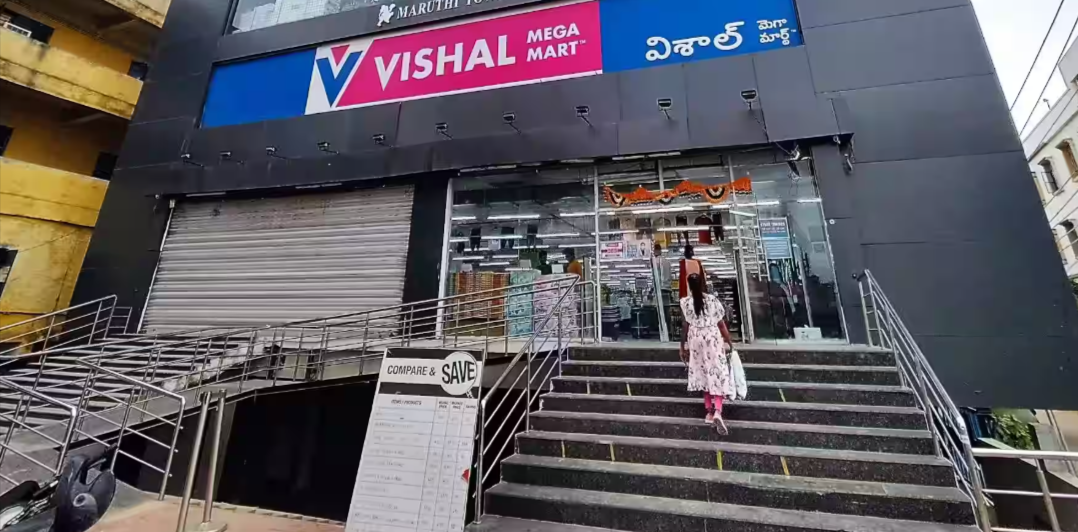
Vishal Mega Mart is a Indian value retailer chain with a small-sized chain of hypermarkets. It is among the top value retail brands that are growing fast in India with a substantial distribution in cities of Tier-2 as well as Tier-3. The brand has grown to be associated with low-cost however high-quality goods and has provided it with an enormous boost, particularly with the increasing middle class population in India. You might be thinking about what the process was that led to Vishal Mega Mart has grown from a tiny retail store into one of the biggest retailers in India? What are its sources of revenue? What is the driving force behind its growth? Check out this article for answers to all your queries.
What Are The Fundamentals of VVM’s Business Model?
Vishal Mega Mart runs an diversified model of retail which combines franchised and owned company hypermarkets as well as supermarket-sized stores. It operates more than 600 stores spread across hundreds of cities in India which adds up to 1-12 million sq ft of space for retail. VMM has certain requirements with regards to the locations of its stores. They are areas with minimum 1 lakh residents parking facilities, excellent road connectivity, and a the minimum width of 40 feet.
Franchisees get a lot of support from Vishal Mega Mart. Support for franchisees includes assessment of the location designs for interiors, continuous supply chain management, replenishment accounting and inventory management software as well as training programs that support store management, marketing, and product design, as well as operational support along with marketing and sales collaterals.
What Are The Products Sold By Vishal Mega Mart?
Vishal Mega Mart stocks an array of clothing across a range of categories, including women’s and men’s clothing and children’s clothing, as well as ethnic clothing, western and footwear, as well as accessories. In addition to apparel Vishal Mega Mart’s stores offer general merchandise such as furniture, kitchen equipment as well as electronics and decor in addition to FMCGs like groceries dairy products, snacks and laundry detergents.
There’s a high proportion of private labels sold in VMM stores. Private labels are products that are exclusively designed to be sold at Vishal Mega Mart through contract manufactures. The use of contract manufacturers can help support high-volume sales while keeping cost of production low.
| Company | Vishal Mega Mart |
| Establishment Year | 2001 |
| Headquarters | Gurugram, Haryana, India |
| Founder | Ram Chandra Aggarwal |
| Industry | Value Retail |
| Net Worth | $7.10 billion |
| Total Revenue In 2024 | $1.21 billion |
How Does Vishal Mega Mart Make Money?
1. Apparel
Vishal Mega Mart earns about 45 percent of its revenues from the sale of retail clothing such as women’s clothing, men’s clothing, children’s clothes, western wear, ethnic clothing and much more. All of the clothing items are manufactured by the company’s own brands. Apparel produces high profit margins because of unique designs as well as contract production.
2. General Merchandise
General merchandise retail sales make up approximately 28% of total revenue. General Merchandise is a broad category of items such as home essentials electronics, home appliances and more. GM along with apparel sales comprise more than 50% of profits made by Vishal Mega Mart.
3. Fast Moving Consumer Goods
Vishal Mega Mart is a retailer of a number of types of FMCGs, including grocery items, staples, and everyday necessities, generating around 27% of its revenues. The FMCGs come from national brands as well as private label brands. This is a lower-margin sector however it drives the footfalls.
Sales Strategy & Effect of Private Label Brands
VMM’s sales approach is based around a discount model that relies on bulk purchases as well as everyday low prices and promotions to make high volume transactions. The growth of sales in same-store stores during 2024’s financial year was at 13.6 percent, which is a sign of strong customer loyalty.
Vishal Mega Mart’s exclusive brand names or private labels comprise 72-74% of the company’s revenue. Vishal Mega Mart enjoys a variety of benefits from selling its own brands manufactured by contract manufacturing. They offer better control over the quality of its products and pricing that is lower when compared with other brands, greater profits and greater customer loyalty. EBIDTA margins were 9-10% in year ended March 24, aided by a large percentage of private label.
What Are The Reasons Behind Vishal Mega Mart’s Success?
Vishal Mega Mart is focused on cities in smaller towns where competition is not as high. The majority percent of their stores are in small towns and rural regions. Furthermore, its leased locations and franchising model decreases the capital cost.
Value-driven pricing yields modest profit margins on every product, but mass selling results in higher gross margins of profit. Additionally, affordability increases the loyalty of families that are budget conscious especially in Tier-2 and Tier-3 cities.
The bulk procurement process and the optimized logistics help reduce operational costs and enable rapid expansion without financial burden.